





Mozambique is undertaking a major clean-up of its mining cadastre, cancelling 1,199 mining licences and revoking a further 104 for non-compliance since 2024 as the Government moves to strengthen oversight of the country’s mineral resources.
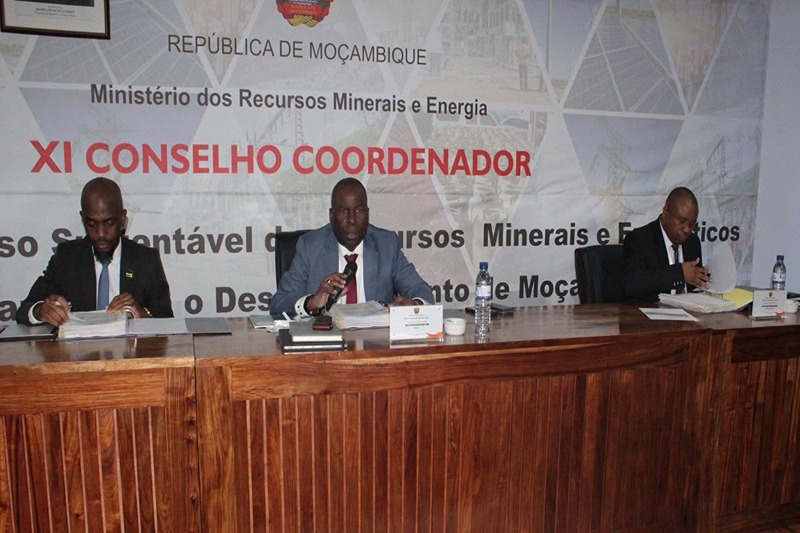
The figures, presented by Minister of Mineral Resources and Energy Estêvão Pale, highlight the scale of the reorganisation, which has also opened nearly 2,000 areas for future mining activity and created additional space for the formalisation of artisanal mining. Speaking during the opening of the 11th Coordinating Council of the sector in Matutuíne, Maputo province, Pale said the reorganisation began with a backlog of 3,273 pending applications. Of these, 2,011 licences were issued, while 1,199 were cancelled and another 104 revoked for non-compliance with the law.
The process also resulted in 860 mining titles being cleared and 1,199 areas being reserved for future mining operations. A further 160 areas were designated for the formalisation of artisanal mining. The clean-up comes as Mozambique seeks to improve transparency and oversight across its mining sector while ensuring that the exploitation of mineral resources delivers greater returns to the State and local economy.
According to Pale, the Government collected approximately 131 million meticais (€1.7 million) in mining revenues since 2024. “This, therefore, is the Mozambique we want to build. A country that knows its mining potential, knows who is exploiting its resources and how they are being exploited and does not forgo the gains due to the State and the Mozambican people,” said Pale.

The restructuring of the mining cadastre is taking place alongside broader changes to Mozambique’s mining legislation, including provisions designed to increase State participation and promote domestic processing. The new Mining Law, approved by parliament, provides for rights relating to strategic minerals of around 20%, to be managed by the National Mining Company.
Pale noted, “The National Mining Company must also manage the rights relating to strategic minerals, the procedures for requisition, custody, management and allocation of a percentage of no less than 20% intended for domestic consumption.” The measure is intended to strengthen local processing, support industrial development and reduce the export of raw minerals without added value.
The legislation also establishes a free, non-dilutable 15% State participation in mining projects through the National Mining Company, further increasing the State’s direct involvement in the sector.
Mozambique is also beginning to see greater activity further along the mineral value chain. Pale highlighted the start of production and inauguration of a graphite processing plant in Nipepe, Niassa province, as well as the installation of a mineral cutting and treatment facility in Namaacha, Maputo province.
The Minister concluded, “These are steps aimed at bringing massive investment to drive the entire mining value chain, including industrial processing in Mozambique, transforming the wealth of our land into factories, jobs and local development.” The cadastre shake-up therefore represents more than an administrative exercise. By removing inactive or non-compliant licences, clearing applications and reserving areas for future development, Mozambique is seeking to establish greater visibility over who holds mining rights and how its mineral resources are being developed.