





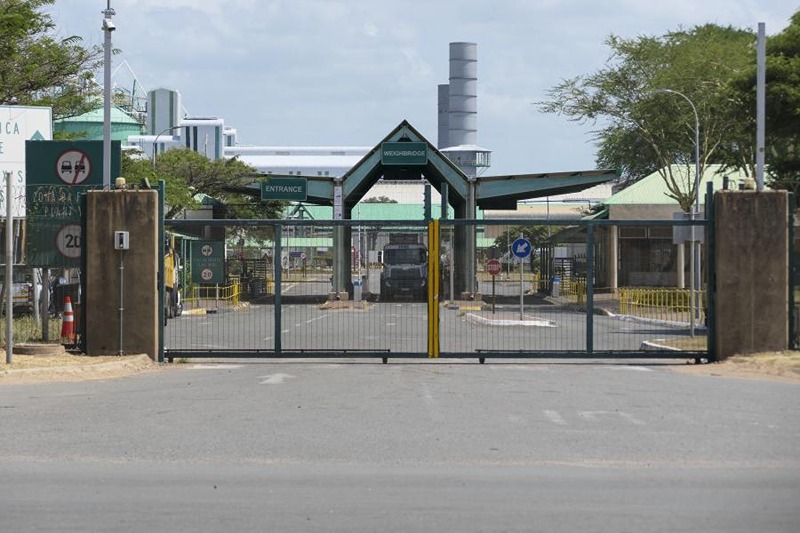

South32’s decision to exclude Mozambique’s Mozal aluminium smelter from its $5.6 billion asset sale to Alcoa signals more than a routine portfolio adjustment as it underscores the growing impact of energy risk on heavy industry investment decisions across Africa.
The transaction, which includes South32’s aluminium interests in Australia, South Africa and Brazil, deliberately carves out Mozal, the largest industrial operation in Mozambique. The smelter, which has been under care and maintenance since March, remains outside the deal as the company reassesses its long-term viability. At the core of Mozal’s exclusion is a challenge increasingly shaping industrial strategy across the continent, the cost and reliability of power.
The smelter’s shutdown followed a dispute over electricity tariffs, an issue that has materially altered its cost structure and by extension, its attractiveness to global investors. In energy intensive sectors such as aluminium, where power can account for up to 40% of operating costs, pricing volatility can quickly erode margins and shift investment decisions. By ring-fencing Mozal from the Alcoa transaction, South32 is effectively signalling that, under current conditions, the asset does not meet the risk return thresholds required for inclusion in a global portfolio repositioning.
Despite its exclusion, Mozal is not off the table. South32 has indicated that it is actively evaluating “several options” for the smelter such as potential divestment or restructuring. One of the most notable developments is the interest from South Africa’s Industrial Development Corporation (IDC), which is assessing the feasibility of acquiring the asset and restarting operations. The IDC is reportedly exploring multiple pathways, including increasing its stake or forming a new partnership structure to take control of the smelter.

This introduces a potential shift from multinational ownership towards a more regionally anchored industrial model, one that could prioritise developmental impact alongside commercial returns. Mozal’s situation highlights a broader structural issue facing Southern Africa, of the alignment between industrial ambition and energy policy. For decades, the smelter has been a cornerstone of Mozambique’s industrial base, contributing significantly to exports, employment and downstream economic activity. Its current suspension, however, raises critical questions about the sustainability of energy intensive industries in markets where power supply constraints and tariff pressures persist.
The IDC’s involvement points to a possible recalibration where state-backed institutions step in to stabilise strategic assets that may be too complex or risk exposed for purely commercial investors under current conditions. The exclusion of Mozal from a multi billion dollar global transaction sends a wider signal to investors assessing industrial opportunities across Africa. It reinforces the reality that resource availability and infrastructure scale are no longer sufficient on their own. Competitiveness is increasingly determined by the reliability, cost and structure of energy supply, factors that can decisively influence whether assets are expanded, sold or placed on hold.
As South32 proceeds with its deal with Alcoa, Mozal remains in limbo, caught between its strategic importance to Mozambique’s economy and the commercial realities shaping global capital allocation. In that tension lies a defining question for the region of whether energy reform and industrial policy can realign quickly enough to bring assets like Mozal back into the investment mainstream