





Mozambique has established a specialized multisectoral commission to oversee and rehabilitate degraded mining lands, launching a nationwide offensive against illegal extraction and environmental non-compliance in the resource-rich nation.
The Cabinet decision, announced on Tuesday by Inocêncio Impissa, spokesperson for the 20th Ordinary Session of the Council of Ministers, follows comprehensive government audits of highly active gold mining districts. Observers noted that the crackdown is the latest in a series of sweeping policy moves by the government, which recently enacted a landmark mining law mandating a 15% state carry in all mining projects and imposing strict local mineral processing requirements.
The formation of the national commission was triggered by two regional government diagnostics. Inspectors monitored exploration zones in the central province of Manica and conducted an in-depth audit of the Lupiliche mining hub in Lago district, located within the northern province of Niassa. While some formal operators have corrected past violations leading to the lifting of suspensions for 10 companies in Manica widespread environmental and legal failures persist.
“In the Manica report, it was noted that some companies registered improvements in compliance, leading to the lifting of the suspension of exploration activities for 10 companies,” Impissa said during a press briefing.

Loopholes and Relocations
Despite isolated improvements, the diagnostic reports painted a troubling picture of the country’s mining frontiers. Environmental failures remain a systemic issue, particularly regarding poorly maintained settling ponds designed to catch toxic runoff. Regulators also highlighted a growing encroachment of wildcat, artisanal miners operating inside corporate-licensed concessions.
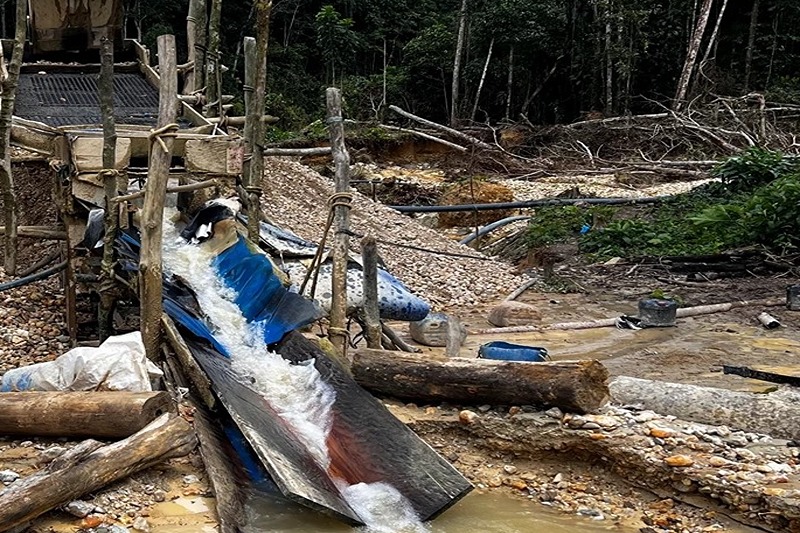
Conditions in Lupiliche were especially dire. Inspectors documented unlicensed extraction, rampant river pollution, a complete lack of environmental reclamation plans, unsafe labor conditions, and a high concentration of undocumented foreign workers.
Furthermore, some recalcitrant mining companies have attempted to exploit provincial borders to dodge regulatory penalties, moving heavy extraction machinery away from high-scrutiny zones.
“We observed some equipment mobilized from one point to another, as if to say: since Manica province became closed, let’s go where it is not closed,” Impissa explained.
To prevent operators from simply outrunning regional inspectors, the new watchdog will hold a blanket mandate that covers the entirety of Mozambique’s territory.
“What is being done now is that this commission will work across the entire national territory,” Impissa warned. “Certainly, anyone who is running counter to the legislation will have to adjust or simply will have to stop.”
Processing Minerals Locally
For now, the executive branch has resolved to keep active suspensions in place for all non-compliant operators in Manica province.
The regulatory squeeze coincides with Maputo’s broader push toward resource nationalism. By blocking the exit of raw, unprocessed ores, the state aims to pressure mining houses to invest in domestic refining infrastructure, thereby capturing more value within the local economy.
“We would like gold exploration to culminate in its transformation and processing, and only then could it be sold,” Impissa concluded.