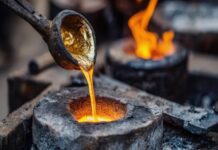




Mozambique has decisively shifted its economic strategy from raw material extraction to industrial beneficiation with the inauguration of a 200,000-metric-ton annual capacity graphite processing plant.
The $200 million facility, located in the northern province of Niassa and operated by Chinese-owned DH Mining, represents a major play for the country to secure a dominant position in the global electric vehicle (EV) supply chain, currently worth billions.
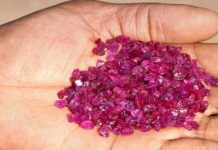
The move marks a transformative moment for the southeast African nation, which sits atop some of the world’s most significant deposits of high-grade graphite—a critical conductor used in lithium-ion batteries.
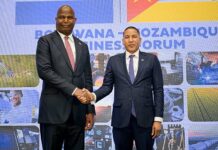
President Daniel Chapo, speaking at the ceremony on Friday, emphasised that the Nipepe plant signals an end to the “resource curse” narrative of shipping unprocessed ores overseas. “Today we are entering the world’s industrial map,” Chapo declared. “We are no longer a supplier of raw materials, but a producer, processor, and exporter of materials.”

The investment by DH Mining, which began development in 2014, includes not only the processing infrastructure but also a crucial new bridge over the Lúrio River and 100 kilometres of roads connecting the remote district to the national transport network.
The venture currently employs 890 workers, with plans to scale the workforce to 2,000 as the project enters its second phase. This industrial expansion comes at a pivotal time as global demand for battery minerals is projected to soar, and neighbouring Cabo Delgado province already hosts significant operations by Australia’s Syrah Resources and Triton Minerals.
However, the shift toward localised processing is being viewed through the lens of a broader “just transition” for the continent. Advocacy groups are increasingly calling for these industrial gains to translate into tangible climate resilience and community wealth.
“Our critical minerals are not just commodities; they are the foundation of our continent’s future,” said Dr Mithika Mwenda, Executive Director of the Pan African Climate Justice Alliance (PACJA). “We must ensure their use drives sustainable development, empowers communities, and fosters climate justice.”
As Mozambique ramps up its industrial output, the government is also looking to integrate this mineral wealth with its massive energy projects, including TotalEnergies’ $20 billion liquefied natural gas (LNG) development.
By leveraging its role as a top-tier graphite producer, Mozambique aims to diversify its economy and insulate itself from the volatility of global commodity prices, positioning the Niassa province as a burgeoning hub for the green energy revolution.