

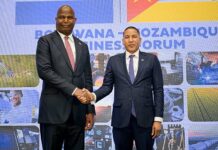


Mozambique is stepping more decisively into the wave of African resource nationalism, with President Daniel Chapo signing a new mining law that reshapes how the country captures value from its mineral wealth. At the centre of the legislation is a dual push of a mandatory minimum 15% free-carried state stake in all mining projects and a requirement for minerals to be processed locally before export. Together, these measures signal a shift from extraction-led growth towards value chain control, as Maputo seeks to retain more economic benefit from its resources.
The law positions the state, through the National Mining Company (ENM), as a permanent and non-dilutable participant across the mining value chain from exploration through to processing. While questions remain over whether the provisions will apply to existing operations, the direction of policy shows how Mozambique intends to play a more active role in both ownership and beneficiation. The timing is significant as global demand for battery minerals, particularly graphite, where Mozambique ranks among the world’s top producers, is accelerating, driven by the energy transition. Rather than exporting raw materials into global supply chains, the government is seeking to anchor downstream processing domestically, potentially laying the groundwork for local industrial development.
In this respect, Mozambique is aligning with a broader continental trend. Countries such as Zimbabwe and the Democratic Republic of Congo have introduced similar measures to curb raw mineral exports and push for in-country processing, reflecting a growing consensus that Africa’s role in the global minerals economy must extend beyond extraction. However, the policy also introduces new considerations for investors. Mandatory state participation and restrictions on unprocessed exports could reshape project economics, timelines and capital allocation decisions, particularly for operators accustomed to export-oriented models. The requirement for ministerial approval to export unprocessed or semi-processed minerals adds another layer of regulatory oversight.
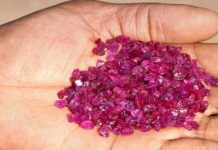
Mozambique’s resource base gives it leverage. The country hosts one of the world’s largest graphite deposits at Balama, alongside significant ruby and coal assets. This geological advantage strengthens its position as it negotiates a more assertive role in global supply chains. The success of the new framework will ultimately depend on execution, particularly the country’s ability to attract investment into processing infrastructure, ensure policy consistency and balance state participation with investor confidence. For now, Mozambique is seeking to move up the value chain as it tightens its grip on the resources that underpin its economic future.