





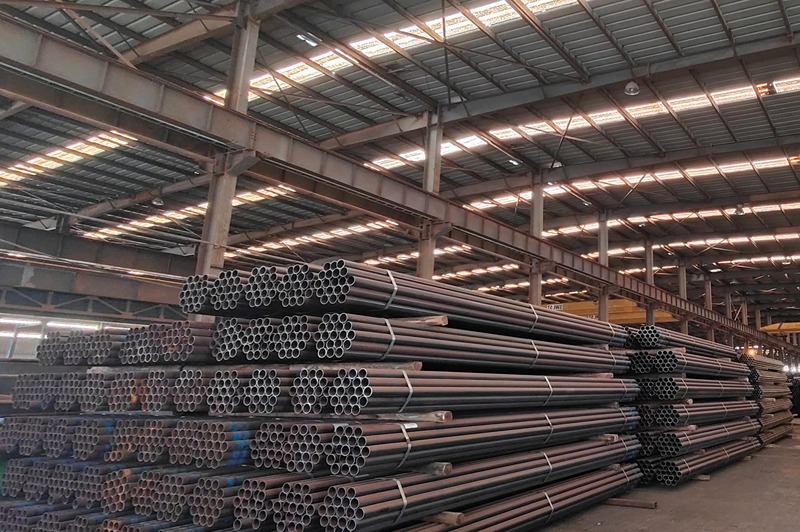

Mozambique’s industrialisation ambitions are usually rehearsed in conference halls and investment forums, plenty of language, not always matched by output. ETG Steel Solutions and its retail arm, Falcon Steel, are a rare exception, a company actually manufacturing and selling steel into the region, not just talking about the potential to do so.
Based in the Beluluane Free Trade Zone near Maputo, ETG Steel Solutions produces pipes, tubes, roofing, steel sections and other construction-grade products, which Falcon Steel markets across Mozambique and into South Africa. The commercial logic is explicit in the company’s own materials, which lean heavily on Beluluane’s proximity to South Africa’s industrial core, less than 550km from Johannesburg as the zone’s central selling point. The output feeds directly into construction, mining, water, sewerage, agriculture and manufacturing supply chains on both sides of the border.
That is precisely the kind of outcome an industrial free trade zone should be producing. It also mirrors an opportunity already visible along the N4 corridor, Mozambique holding a structural advantage as a transit route for South African trade through Maputo port but with the harder, more valuable task still in front of it using its ports, power supply and industrial parks to capture more of that value inside its own economy rather than simply facilitating its passage through. ETG’s Beluluane operation is a working example of that shift already underway. The question for policymakers and investors alike is whether it becomes the template or remains the exception.