





In a significant pivot towards energy self-reliance, Mozambique’s government is set to take direct control of electricity supply to the massive Mozal aluminium smelter, signalling an end to its decades-long reliance on South Africa’s Eskom. This strategic shift, announced on Tuesday, is a clear statement of intent to prioritize national interests and boost the capacity of state-owned utility Eletricidade de Moçambique (EDM).
The Council of Ministers, meeting in Beira, affirmed that energy supplies to the crucial Mozal smelter remain secure. However, the resounding message from government spokesman Inocêncio Impissa was unequivocal: EDM must become the sole guarantor of these supplies.
“It is in our interest that Mozal continues to have sufficient energy. By our interest, I mean, the interest of the government,” Impissa stated, underscoring the deep commitment to the smelter, a cornerstone of Mozambique’s export economy. “It is also in the government’s interest that EDM becomes the energy supplier.”
Currently, the arrangement sees South Africa’s Eskom supplying electricity to Mozal, which is located just outside Maputo. This has been a curious loop, as Eskom itself purchases a significant portion – 66% in 2024 – of its energy from Mozambique’s own Cahora Bassa hydroelectric plant (HCB). The Mozambican government now aims to untangle this long-standing dynamic.

“Today, we make the contract directly, and we want to introduce the ‘player’, which is EDM, the entity responsible for marketing the energy produced by our hydroelectric plant [in Cahora Bassa – HCB],” Impissa explained, hinting at the complex negotiations ahead. “We must finalise certain details for this purpose.”
A Strategic Repatriation of Power
The move to transition away from Eskom as the direct supplier to Mozal is part of a broader, ambitious plan to “repatriate” the electricity generated by HCB for domestic use. This long-held ambition was confirmed by President Daniel Chapo on June 23, who articulated a vision for Mozambique to assume full control of its energy generation.
The existing contract for HCB’s electricity supply to Eskom, a relic dating back to 1979, is set to expire in 2030. This date is central to Mozambique’s Energy Transition Strategy until 2050, which explicitly aims to bring back the 8-10 terawatt-hours currently exported to South Africa.
HCB, with an installed capacity of 2,075 megawatts, is Mozambique’s most vital power plant, and the Mozambican state holds a majority stake. For decades, the plant has primarily exported its cheap, clean electricity to Eskom, with a smaller portion going to EDM. The approaching 2030 deadline for the Power Purchase Agreement between HCB and Eskom necessitates crucial decisions.
Mozal’s Critical Role and Future Security
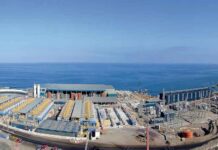
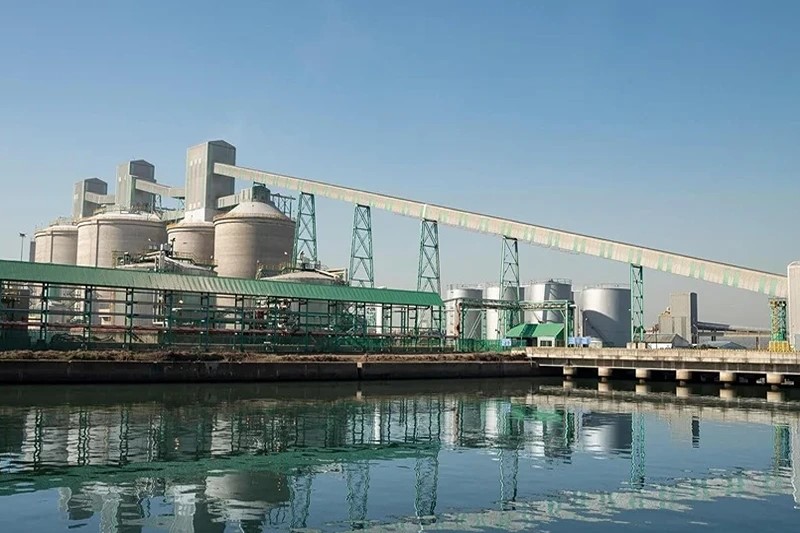
Mozal, a massive aluminium smelter on the outskirts of Maputo, is one of Mozambique’s largest electricity consumers, demanding a substantial 900 megawatts. Its current supply contract with Eskom is slated to expire in 2026, setting the stage for the proposed shift to EDM.
“A transition from the current energy supplier is necessary so that EDM can take over the commercial arm of the business, involving one of Mozambique’s largest exporters,” Impissa clarified, emphasizing the economic significance of the smelter.
The government spokesman also stressed that securing Mozal’s energy needs is paramount, going beyond the smelter’s direct interests to serve the broader interests of all Mozambicans. “It employs Mozambicans, there are taxes that go into the Mozambican budget, and there are advantages to having Mozal there,” he said.
Owned 63.7% by Perth-headquartered South32, with the Industrial Development Corporation of South Africa holding 32.4% and the Mozambican government a 3.9% stake, Mozal is a significant contributor to the national economy. The government’s determination to ensure continuous energy supply highlights its commitment to fostering a stable and predictable environment for key industries.
As Mozambique charts its course towards greater energy independence, the move to bring Mozal’s power supply under local control marks a pivotal step in redefining the nation’s energy landscape and asserting its sovereignty over its rich natural resources. The coming years will undoubtedly see intricate negotiations and strategic realignments as Mozambique seeks to solidify EDM’s role as the powerhouse of its national development.